This page focuses on the Chicken Road Gold demo, showing how practice mode reflects the real gameplay flow without using actual balance. Players can test multiplier growth, understand risk timing, and learn when cash out feels reasonable. Every mechanic remains active, including instant loss conditions, which makes practice sessions useful for building confidence. The demo helps set expectations by revealing pacing, pressure points, and decision making patterns before any real stakes are involved.
What the Demo Version Reveals About Game Chicken Road Gold

- The demo version shows how game Chicken Road Gold functions at its core, letting players observe pacing, decision pressure, and outcome speed without financial impact. Every round follows the same structure as real play, which makes patterns easy to notice.
- Practice play highlights limits as well. Virtual balance resets freely, so emotional pressure differs from paid sessions. While timing skills transfer well, risk perception is softer, which means demo results should be treated as guidance, not prediction.
Gold Road Theme and Chicken Progression During Practice Play
During practice play, the gold road theme remains fully intact and functions the same as in paid sessions. The chicken advances step by step along a narrow path, with each movement raising both reward potential and danger. Progression is clear and easy to follow, allowing players to focus on timing and decision making while learning how quickly pressure builds as the road extends.
How Demo Gameplay Works From First Bet to Cash Out
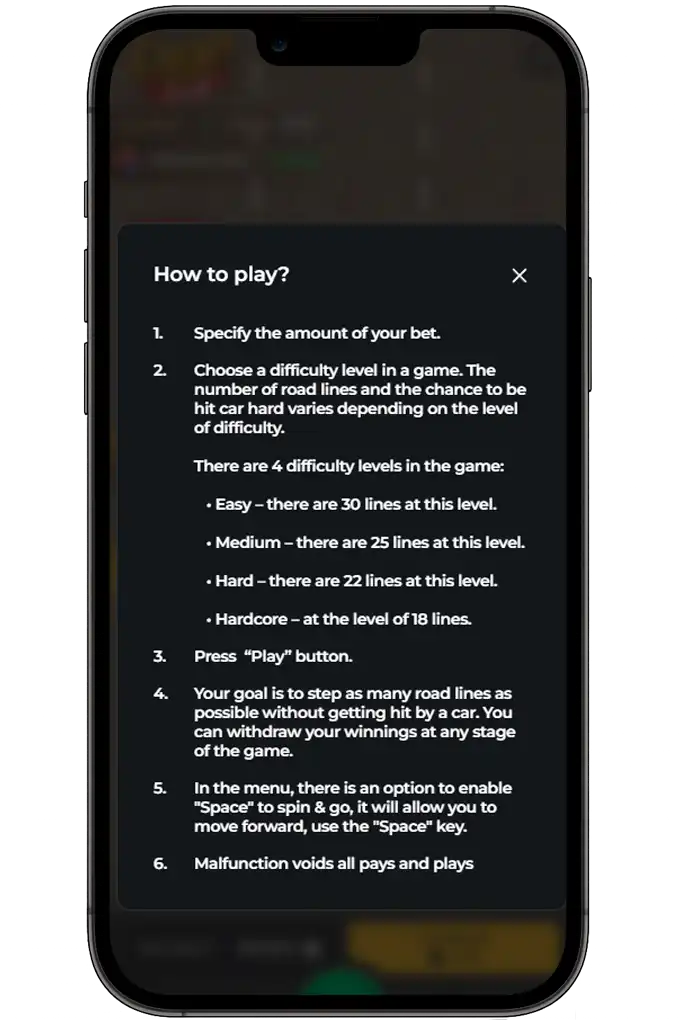
- Demo gameplay begins with selecting a virtual stake, which has no effect on real balance but controls round behavior. Once confirmed, the chicken steps onto the road and the initial multiplier becomes active.
- Each safe step increases the multiplier and gives the option to continue or stop. The player can cash out at any moment to lock the current result. A failed step ends the round instantly, making timing and discipline central even in practice mode.
Step by Step Demo Round Without Using Real Balance
-
- A demo round starts by assigning a virtual stake, which represents risk but has no real value attached. This amount defines how outcomes are calculated during the round.
- The chicken moves onto the road and activates the first multiplier. From this moment, the player controls every decision.
- Each successful step raises the multiplier and pressure. The option to cash out remains available at all times.
- The round ends either when cash out is chosen or when a failed step occurs, resetting progress and allowing a new round to begin immediately.
Demo Multipliers and Bonus Behavior in Practice Mode
In practice mode, multipliers behave exactly as they do during paid sessions, rising with each safe step along the road. There are no separate bonus rounds or surprise features added for demo play. All reward growth comes from the same multiplier curve, which helps players understand how quickly values can change. This setup allows clear observation of risk escalation and payout potential, making practice rounds useful for learning pacing, restraint, and the impact of staying too long in a single round.
Table Showing How Multipliers Grow During Demo Sessions
| Step on the Road | Multiplier Level | Risk Level | Player Decision Point |
| First steps | Low multiplier | Minimal risk | Often used to test pacing |
| Mid progression | Medium multiplier | Moderate risk | Common cash out range |
| Extended run | High multiplier | Elevated risk | Requires careful judgment |
| Late stages | Very high multiplier | Critical risk | One failure ends the round |
Key Differences Between Demo Mode and Real Balance Play
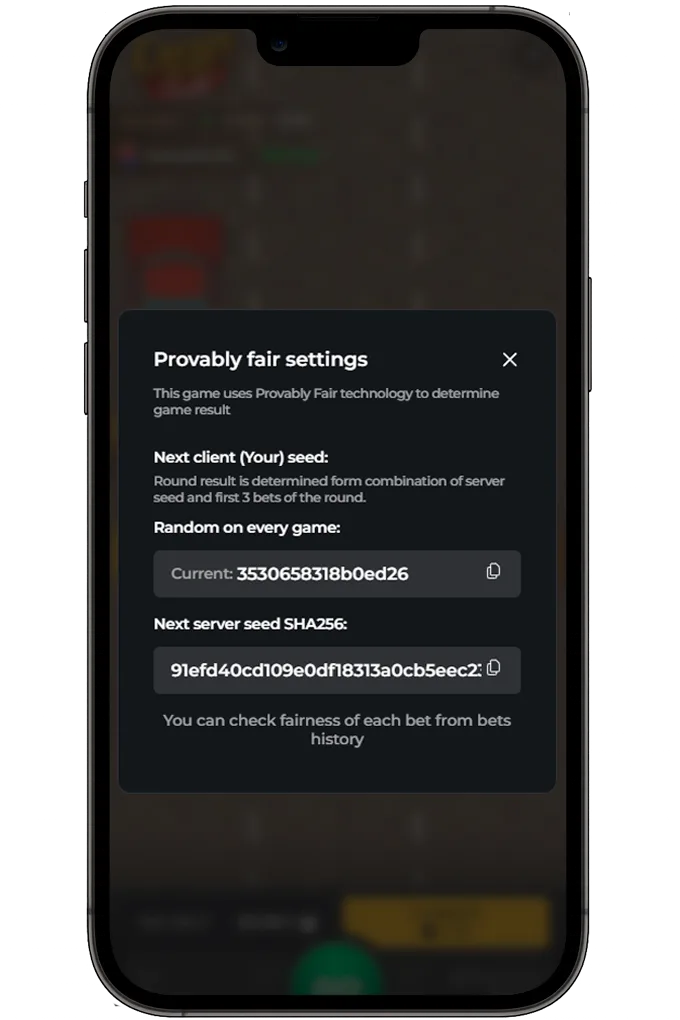
The main difference between demo mode and real balance play lies in emotional pressure rather than mechanics. Both versions use the same rules, multipliers, and loss conditions. Practice play removes financial consequence, which often leads to longer runs and bolder decisions. Real balance sessions feel tighter, since every step carries weight. While demo play is useful for learning timing and structure, it cannot fully reproduce the caution and restraint that real stakes introduce during extended sessions.
Table Comparing Demo Results With Paid Sessions
| Aspect | Demo Mode | Real Balance Play |
| Balance type | Virtual credits | Actual money |
| Risk perception | Low pressure | High emotional weight |
| Decision speed | Often slower | Usually more cautious |
| Learning value | Skill practice | Discipline testing |
| Outcome impact | No real loss | Direct balance change |
Who Should Use the Demo Before Playing With Money
- New players benefit the most from demo use, since it allows them to understand pacing, controls, and cash out timing without pressure. Learning how quickly rounds can end helps set realistic expectations.
- Players testing risk tolerance can use practice play to observe how often losses occur during longer runs. This helps identify comfort levels before committing funds.
- Demo mode also suits cautious users who prefer planning. It offers a safe space to build habits around stopping points and decision discipline before real balance play begins.
FAQ
What is the main purpose of the demo mode
Demo mode allows players to learn gameplay flow, multiplier growth, and cash out timing using virtual balance. It helps build understanding of risk and pacing without exposing real money to loss.
Does demo mode use the same mechanics as real play
Yes, demo mode follows the same rules, multipliers, and failure conditions as real balance play. The only difference is the absence of financial consequence, which changes emotional pressure but not game structure.
Can results in demo mode predict real outcomes
Demo results show how mechanics behave but cannot predict real outcomes. Without real stakes, players often take risks they would avoid with money, which makes demo performance useful for learning, not forecasting.
Is demo mode suitable for experienced players
Experienced players can still benefit from demo mode when testing stopping strategies or studying volatility patterns. It provides a controlled setting to refine timing decisions without risking balance during experimentation.
How long should someone use demo mode before playing
There is no fixed time requirement. Most players switch after they understand round flow, recognize personal stopping points, and feel comfortable managing pressure created by rising multipliers and sudden losses.